Action camera, pocket gimbal or 360? Choosing the right type
Most people buy the wrong type of camera before they buy the wrong model. Here is a straight comparison of action, pocket, 360 and mirrorless — and who each one actually suits.
Research-based reviews of every camera we track — what each one is good at, who it suits, and what it costs today across UK retailers, backed by our own daily price records.
Most people buy the wrong type of camera before they buy the wrong model. Here is a straight comparison of action, pocket, 360 and mirrorless — and who each one actually suits.
From cheap tough compacts to action cameras rated to 20m, here is what actually survives water — and how to stop yours flooding.
Both make excellent action cameras and the footage is closer than the marketing suggests. The real differences are mounting, waterproofing, colour and price.
Which action camera should you actually buy? We compare GoPro, DJI and the rest on the things that matter — stabilisation, low light, waterproofing and price.
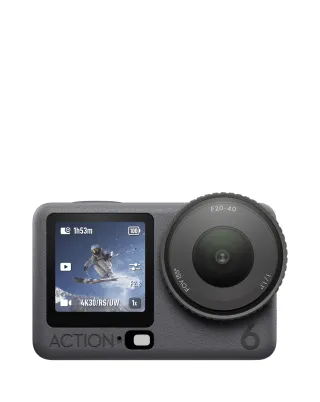
A square 1/1.1-inch sensor, an f/2.0–f/4.0 variable aperture and a 4K Custom mode that lets you crop after the fact. The Osmo Action 6 is the most interesting action camera in years.
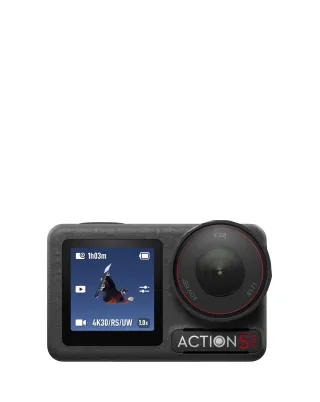
Internal storage, twin OLED screens and the deepest waterproof rating in the category. The Osmo Action 5 Pro fixes the small irritations that action cameras have always had.
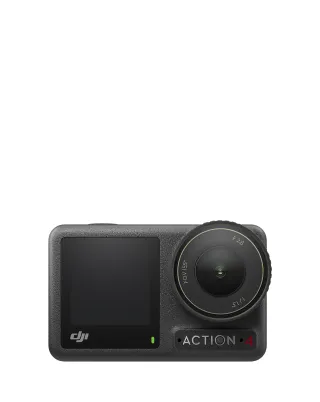
A 1/1.3-inch sensor, 18m waterproofing and magnetic mounts — now at a price that undercuts every current flagship. The Osmo Action 4 is the value pick in action cameras.
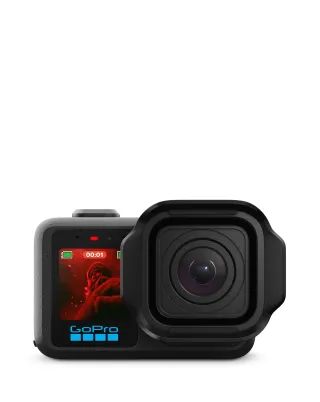
The Mission 1 Pro takes the 1-inch sensor and pushes it hard — 8K60 video, 4K at 240fps, 8K Open Gate capture, 10-bit log and 32-bit float audio. This is an action camera aimed squarely at professionals.
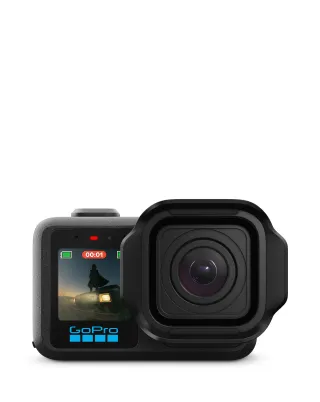
GoPro’s Mission 1 pairs a 1-inch sensor with the GP3 processor for 8K video, three-hour 4K recording and much better low light. It is the biggest leap the format has had in years.
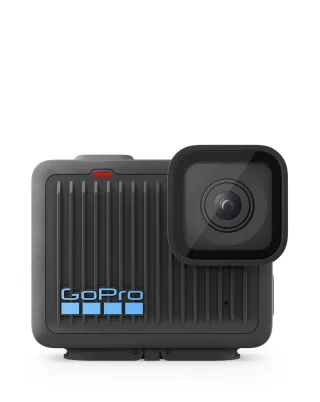
Half the size, half the weight and a fraction of the price of a HERO13 Black. The little GoPro HERO drops the pro features and keeps the bit that matters — 4K footage from a camera you will actually take with you.
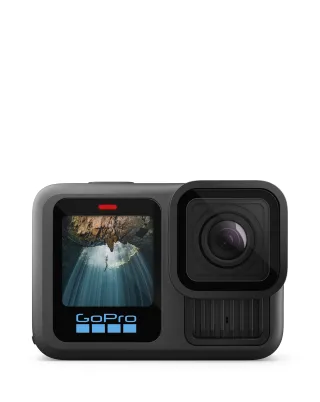
The HERO13 Black adds swappable HB-Series lenses and a bigger battery to a formula that already worked. Here is who should buy it, who should save money on a HERO12, and what it costs in the UK today.
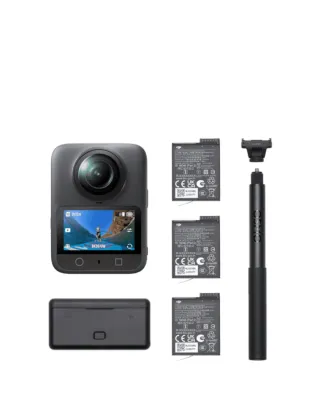
DJI’s first 360 camera arrives with native 8K 360 video, a square sensor feeding two 1-inch 360 image fields, 13.5 stops of dynamic range and 10-bit on every mode. Here is how it stacks up against the GoPro Max 2.
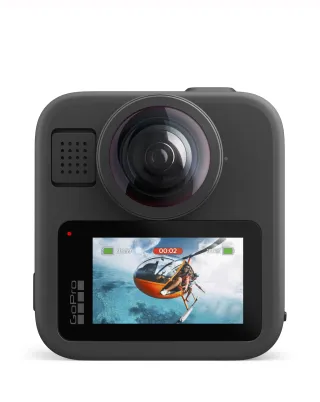
GoPro’s second-generation 360 camera shoots 8K spherical video, takes replaceable lenses and erases your extension pole entirely. Here is what that buys you in practice, and who actually needs it.
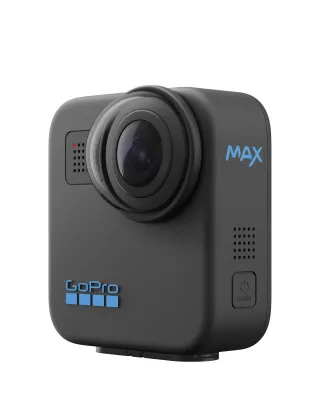
The original GoPro MAX is now one of the best-value 360 cameras in the UK — invisible selfie stick shots, reframe-later footage and a proper front screen, for less than a mid-range action camera.
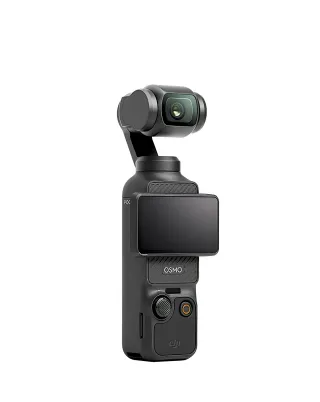
The camera that makes your videos look professional is rarely the one with the biggest numbers. Here is what actually matters for vlogging, and which cameras get it right.
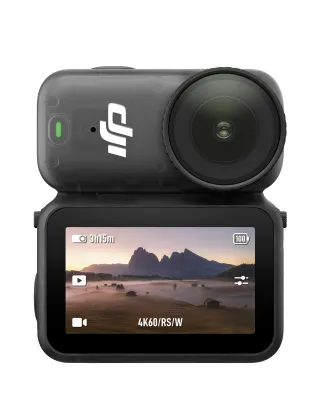
A thumb-sized magnetic camera with a 1/1.3-inch sensor and 13.5 stops of dynamic range. The Osmo Nano is built for hands-free, point-of-view footage nothing else can get.
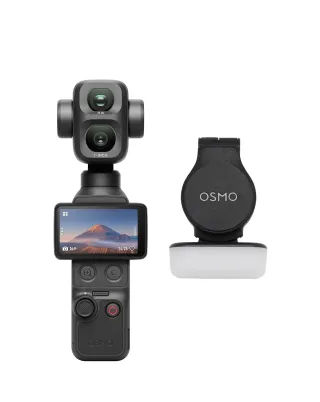
The Pocket 4 Pro pairs the gimbal camera with DJI’s Mic 3 ecosystem, an extended battery handle and ActiveTrack 7.0. For one-person production, it is close to a complete kit in a bag pocket.
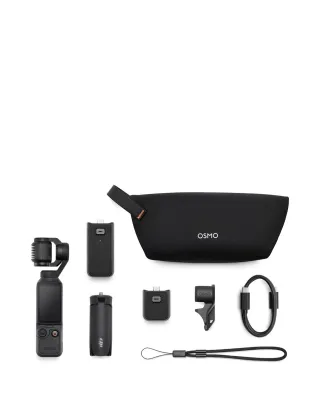
The Pocket 4 keeps the 1-inch sensor and gimbal that made its predecessor famous, then adds 4K at 240fps, 2x lossless zoom and 14 stops of dynamic range. Here is whether it is worth the upgrade.
A 1-inch sensor, a proper mechanical gimbal and a screen that flips to vertical. The Osmo Pocket 3 is the easiest recommendation in vlogging — here is why, and what it costs in the UK today.
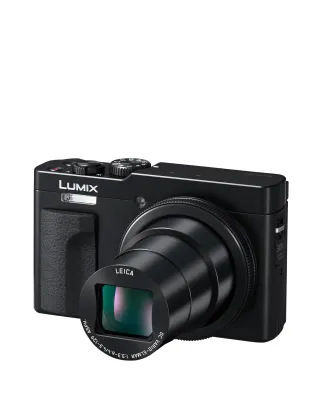
A 24–720mm Leica zoom, a 180-degree tilting touchscreen and one-button Bluetooth transfer to your phone. The TZ99 is Panasonic’s current pocket travel camera — here is whether it is worth it over the older TZ models.
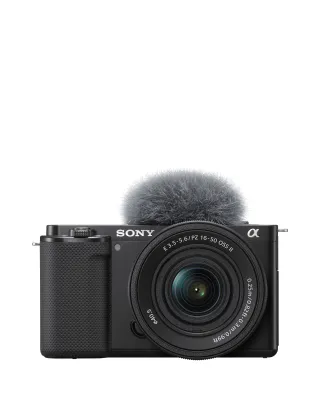
Sony’s second-generation ZV-E10 moves to a 26MP sensor, 10-bit video and a much bigger battery, while keeping the light body and flip-out screen. Here is who it suits, and where it still falls short.
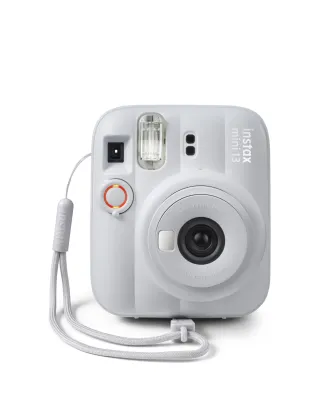
Five hundred pounds buys a lot of camera in 2026 — if you know where the value sits. Here is what to buy at this budget, and what to avoid.
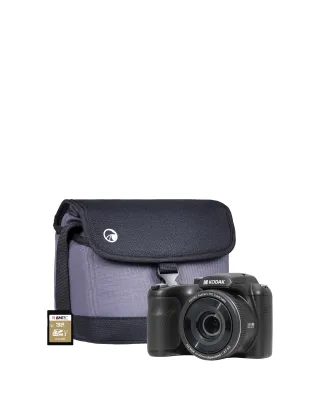
Wildlife photography is about reach, and reach is normally expensive. Here are the cheapest routes to filling the frame with a bird — and the compromises each one makes.
The best travel camera is the one still in your bag on day five. Here is how to balance zoom, quality and weight — and which cameras get the compromise right.
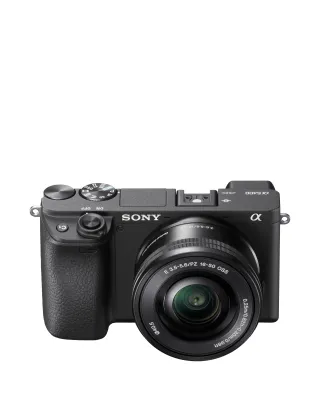
Sensor size is the specification that changes your photographs most, and the one most often misunderstood. Here is what it actually does — and when a smaller sensor is the better choice.
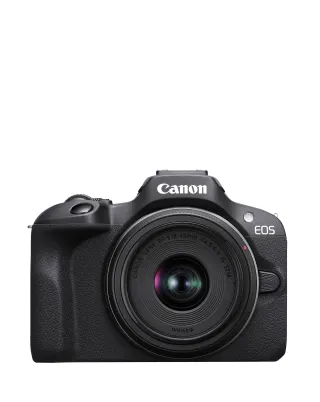
Your first camera should be one you enjoy carrying, not the one with the biggest sensor. Here is how to choose, and why the lens matters more than the body.
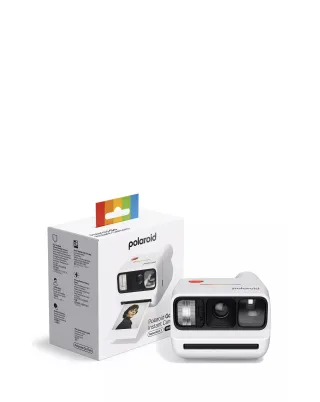
Instant cameras are cheap; the film is not. Here is how Instax and Polaroid actually differ, what each print really costs, and which camera to buy for weddings, gifts and kids.
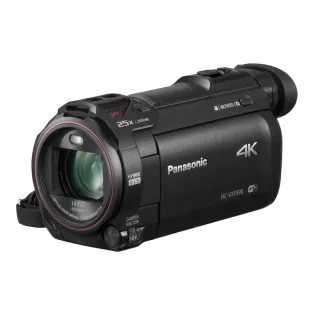
The same long-recording, long-zoom formula as its stablemate, with an electronic viewfinder added. For filming outdoors for hours, that viewfinder earns its place.
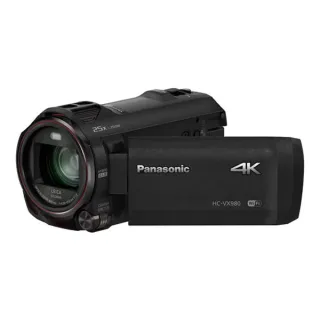
A 20x zoom, hours of continuous 4K recording and a shape designed to be held for a long time. For school plays and weddings, a camcorder remains the right tool.
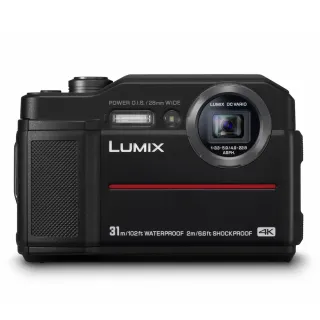
Waterproof, freezeproof and shockproof, with a built-in viewfinder almost no rugged camera offers. The FT7 is built for the pool, the piste and the coast path.
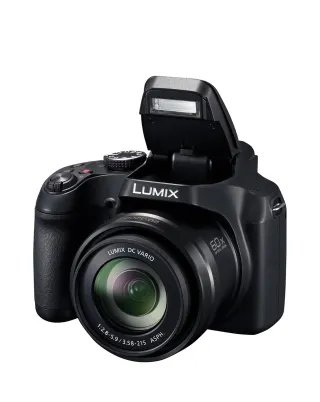
A big-bodied bridge camera with an enormous zoom range, a viewfinder and 4K video. The FZ82D is the affordable way to photograph things a long way away.
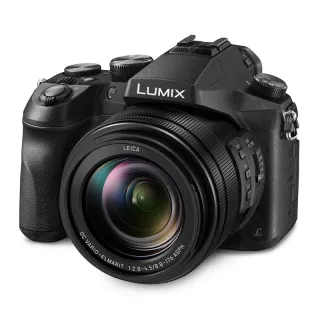
A 1-inch sensor, a long constant-quality zoom, a built-in ND filter and unlimited 4K recording. The FZ2000 is a one-body production kit disguised as a superzoom.
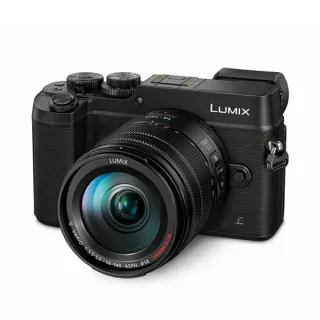
A tilting corner viewfinder, weather sealing and dual stabilisation in a flat, discreet body. The GX8 is an enthusiast’s camera that has quietly become affordable.
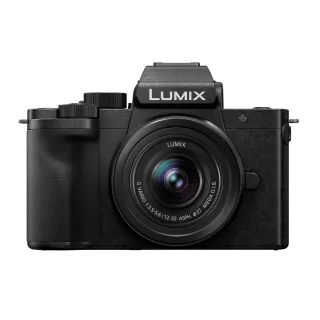
Panasonic put a directional audio system into a tiny interchangeable-lens body. For vloggers who care about sound, the G100 is an unusual and clever proposition.
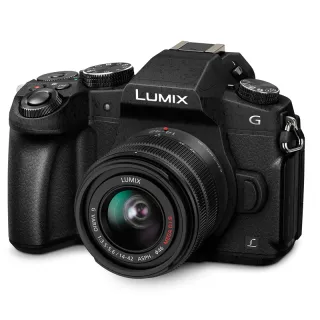
Weather sealing, dual image stabilisation and 4K video in a mid-sized body. The G80 has been a quiet recommendation for years, and the price makes it quieter still.
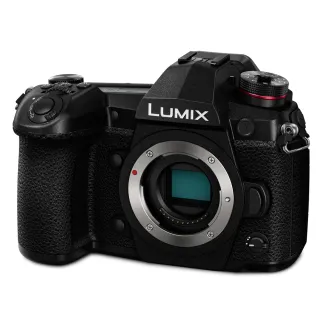
Superb in-body stabilisation, weather sealing, fast burst shooting and a top-plate display. The G9 was built as a professional stills camera and now sells for far less.
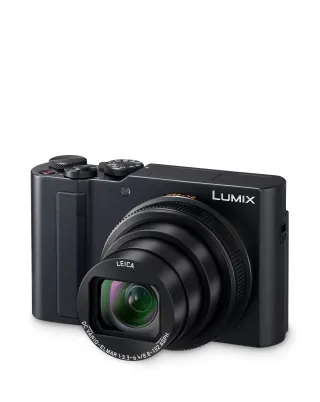
A large sensor, a long zoom and a viewfinder in a genuinely pocketable body. The TZ300 is Panasonic’s attempt to build the complete travel compact.
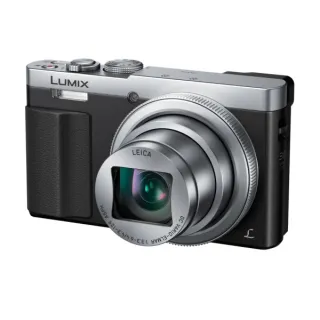
A 30x zoom, a viewfinder and a lower resolution sensor that handles noise surprisingly well. The TZ70 is an older camera whose price is now its main attraction.
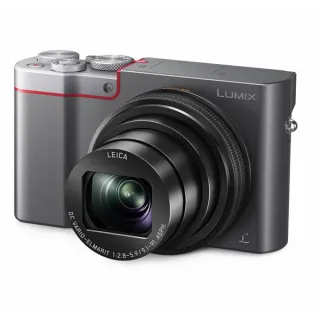
The TZ100 trades zoom range for a much larger sensor. If you have been disappointed by compact camera image quality, this is the model that fixes it.
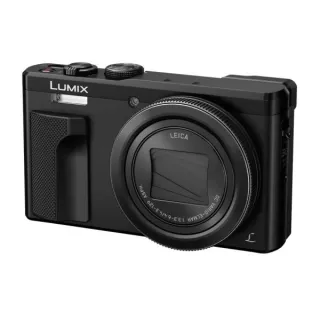
Sixty times optical zoom in a compact body, with a viewfinder and 4K video. The TZ80 trades outright image quality for reach that nothing else this size can match.
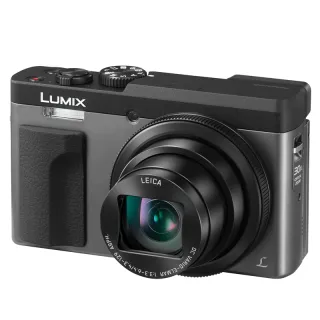
A 30x zoom, a flip-up screen and 4K video in a camera that slips into a jacket pocket. The TZ90 is the definition of a travel compact.
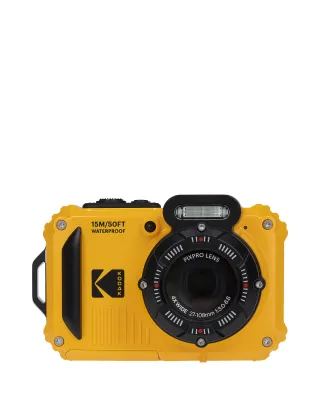
Waterproof, shockproof and dustproof, at a price that makes it genuinely expendable. The WPZ2 is the pool, beach and rockpool camera — not a photographic instrument.
The smaller, cheaper sibling in Kodak’s bridge camera line. Less reach than the AZ425 but the same idea — long zoom, low price, simple operation.
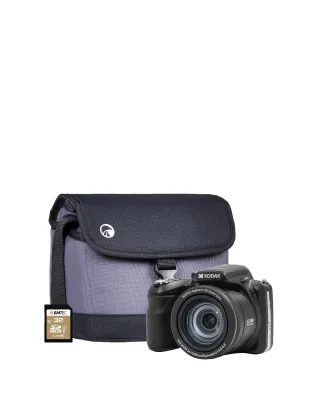
A bridge camera built around one feature — enormous reach. If you want to photograph things far away without spending seriously, this is the cheapest route there.
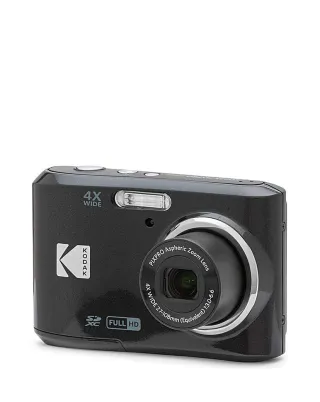
A genuinely inexpensive point-and-shoot that takes AA batteries and does not need charging. The FZ45 is a first camera for a child or a holiday spare, not a phone replacement.
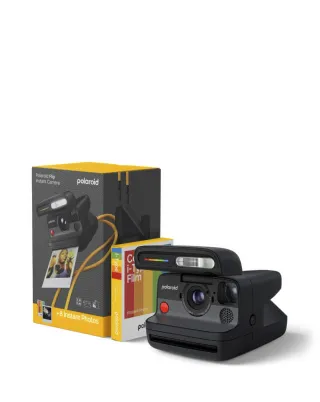
A flip-up front, a four-lens autofocus system and a warning when the light is wrong. The Flip is Polaroid trying to stop you wasting expensive film.
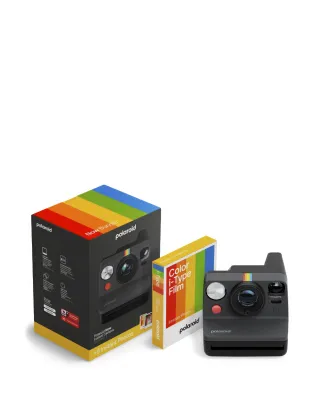
Full-size i-Type film, autofocus that picks the right lens for the distance, and the shape everyone pictures when you say Polaroid. This is the definitive modern one.
Tiny prints, tiny camera, unmistakably Polaroid. The Go Gen 3 is the cheapest way to get proper Polaroid film with its white frame and slow, magical development.
A fixed-lens compact built around Fujifilm’s colour science, aimed at photographers who want a pocket camera that produces finished-looking images.
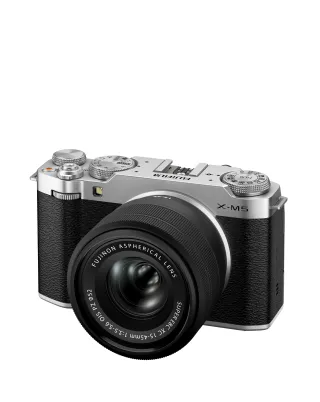
Fujifilm’s compact APS-C body drops the viewfinder to save size and weight, keeps the film simulations, and lands at a much friendlier price than the X-S20.
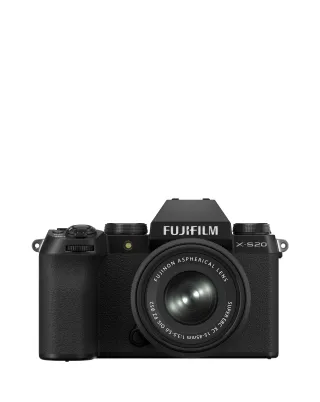
In-body stabilisation, serious video specifications, huge battery life and Fujifilm’s film simulations. The X-S20 is the APS-C camera that does everything well.
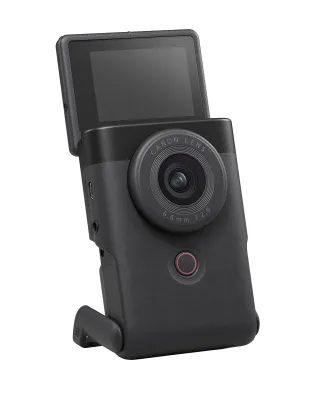
Pocket-sized, with a flip-up screen and a kickstand built into the body. The PowerShot V10 is designed for one job — sitting on a desk and filming you talking.
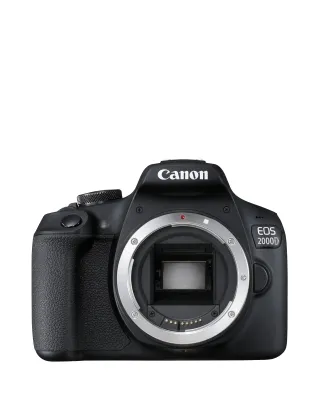
An optical viewfinder, huge battery life and the cheapest lenses in photography. The EOS 2000D is old technology — and for some buyers that is exactly the appeal.
Canon stripped the RF system back to its essentials to hit a low price. The EOS R100 takes very good photographs — as long as you can live with a fixed screen.
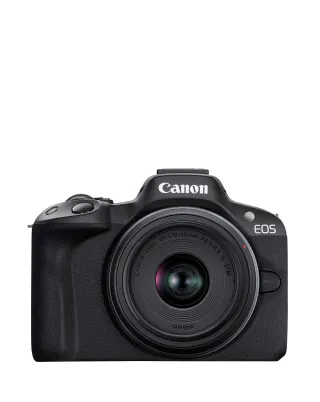
Light, genuinely beginner-friendly and armed with Canon’s excellent subject-tracking autofocus. The EOS R50 is the easiest step up from a phone you can make.
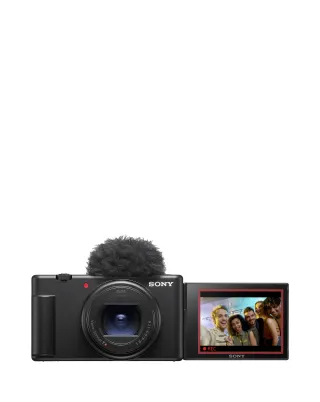
A wide 18-50mm equivalent zoom, a 1-inch sensor and a microphone that actually works outdoors. The ZV-1 II is a compact designed for talking to camera rather than adapted for it.
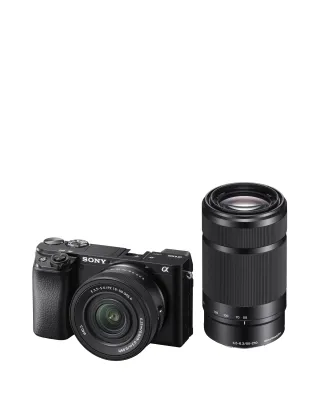
The same class-leading autofocus and 24MP sensor as pricier models, in a lighter, simpler body. If you want a proper camera on a budget, the A6100 is hard to argue with.
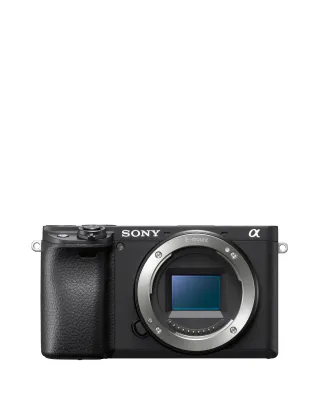
Fast, reliable autofocus in a small, tough body. The A6400 has been a default recommendation for years, and falling prices have only strengthened the case.
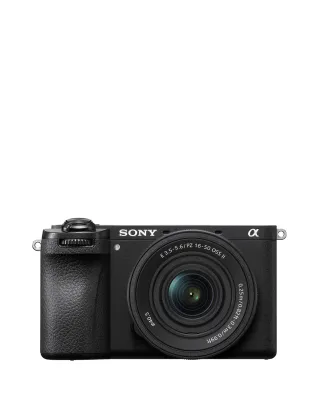
AI-driven subject tracking, a fully articulating screen and serious video specifications in a compact body. The A6700 is the APS-C camera to buy if you shoot both stills and video.
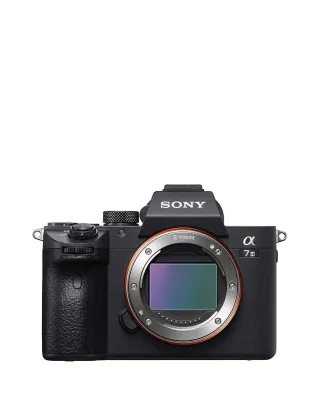
Years after launch, the A7 III remains one of the smartest full-frame buys in the UK — superb autofocus, excellent low light and a lens ecosystem nothing else matches at the price.
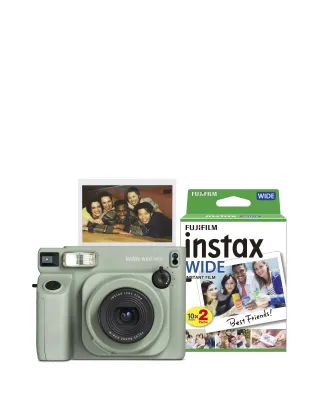
Twice the width of an Instax Mini print, in a chunky camera built for groups and landscapes. If you have ever tried to fit eight people into a Mini frame, this is the answer.
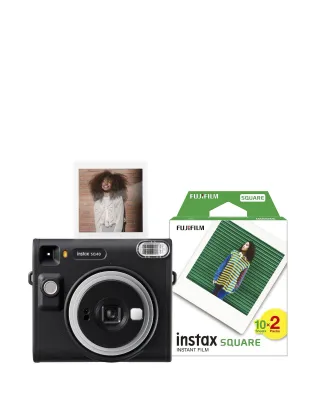
The Square format gives you noticeably more picture than Instax Mini, and the SQ40 wraps it in a handsome, simple camera. If Mini prints feel too small, start here.
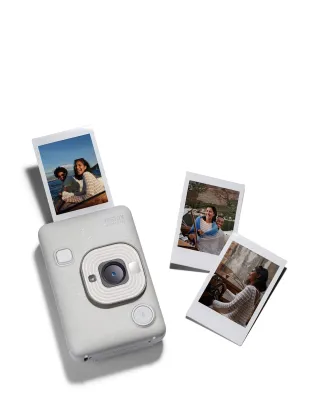
A hybrid Instax that prints selectively, works as a phone printer, and hides a ten-second audio clip inside a QR code on every print. Odd, clever, and genuinely charming.
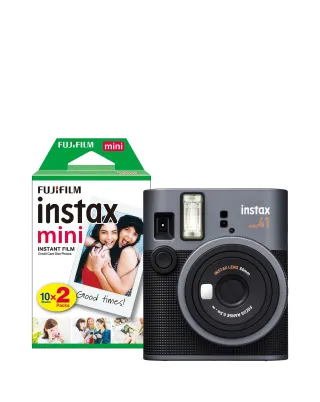
Same effortless shooting as the cheaper Instax models, in a more substantial body with a smarter close-up mode. The Mini 41 is the one to buy if the plastic toy look puts you off.
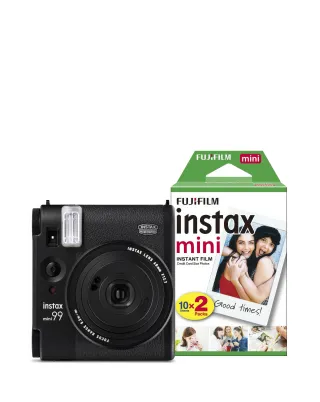
Colour effects, manual exposure control, double exposures and a proper analogue feel. The Mini 99 is the enthusiast’s Instax, and the most creative camera in the Mini range.
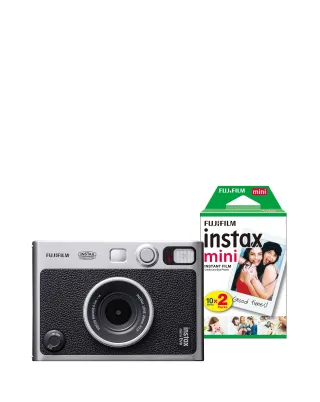
Shoot digitally, review on screen, print only the good ones. The Instax Mini Evo adds lens and film effects and doubles as a printer for your phone — and it pays for itself in unwasted film.
Fujifilm’s newest entry-level Instax refines a formula that already worked. Same film, same foolproof operation, fresh design — and it comes in a lot of colours.
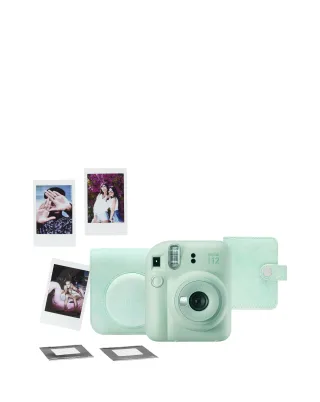
Twist the lens to switch on, twist again for close-ups, press the button. The Instax Mini 12 is the simplest instant camera Fujifilm makes — and that is exactly why it works.
Slow cards cause dropped recordings that look exactly like camera faults. Here is how to read the confusing symbols on an SD card and buy the right one once.